
Nostalgia isn't enough. Here's how heritage brands stay chosen
Consumers love heritage brands. But loving a brand and buying it regularly are two very different things.
Food nostalgia runs deep. Certain flavours, smells and rituals can unlock decades of memory in an instant. For heritage food brands, that emotional connection is gold dust. Decades of recognition and built-in trust that newer brands would kill for.
But nostalgia alone doesn't make the sale.
Food and drink is one of the fastest-moving FMCG spaces there is. Shelves are crowded with challenger brands that tap into cultural trends brilliantly, keeping themselves firmly in the conversation. In that environment, familiarity can quickly become irrelevance, leaving legacy brands fondly remembered but rarely chosen.
So how does a childhood favourite keep its spot in the trolley and on the menu?
The nostalgia marketing trap
Too often, heritage brands can lean on “the good old days” too heavily, leaving them feeling static in a category that’s evolving fast.
When consumers are seeking a hot take, and a behind the scenes experience, nostalgia works best when brands find fresh ways to reinterpret it.
Instead of falling into the “mum’s cupboard staple” trap, winning brands are using that familiarity and keeping it culturally current through premiumisation, collaborations or experience-led branding.
What happens when nostalgia meets premiumisation?
Two of the defining trends we kept seeing across food and drink going into 2026 were nostalgia and premiumisation. Separately, both are powerful. Together, they present a serious creative opportunity for brands with decades of emotional equity. So we set ourselves a brief: no client, no guardrails, just two trends colliding with a brand that felt ripe for reinvention.
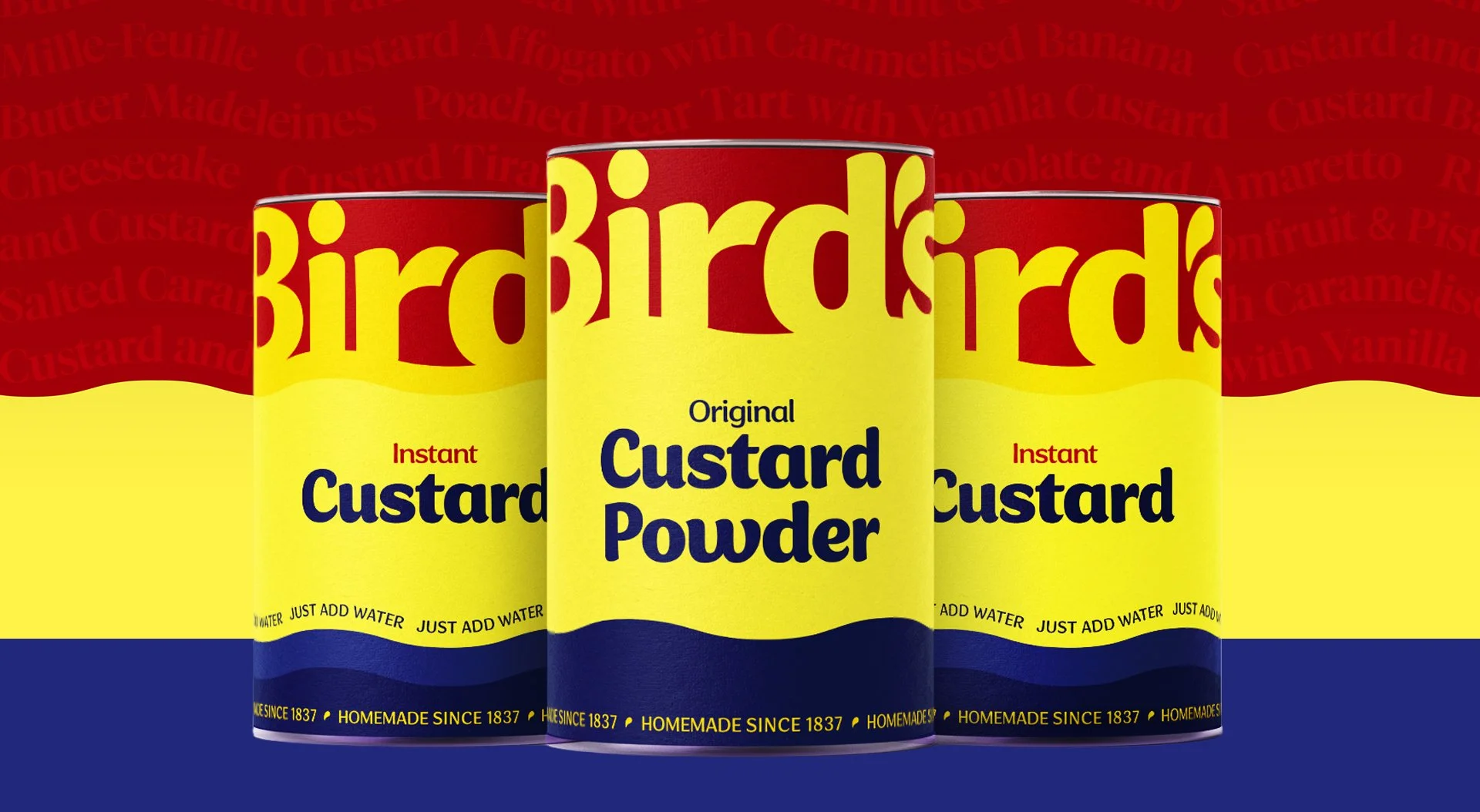
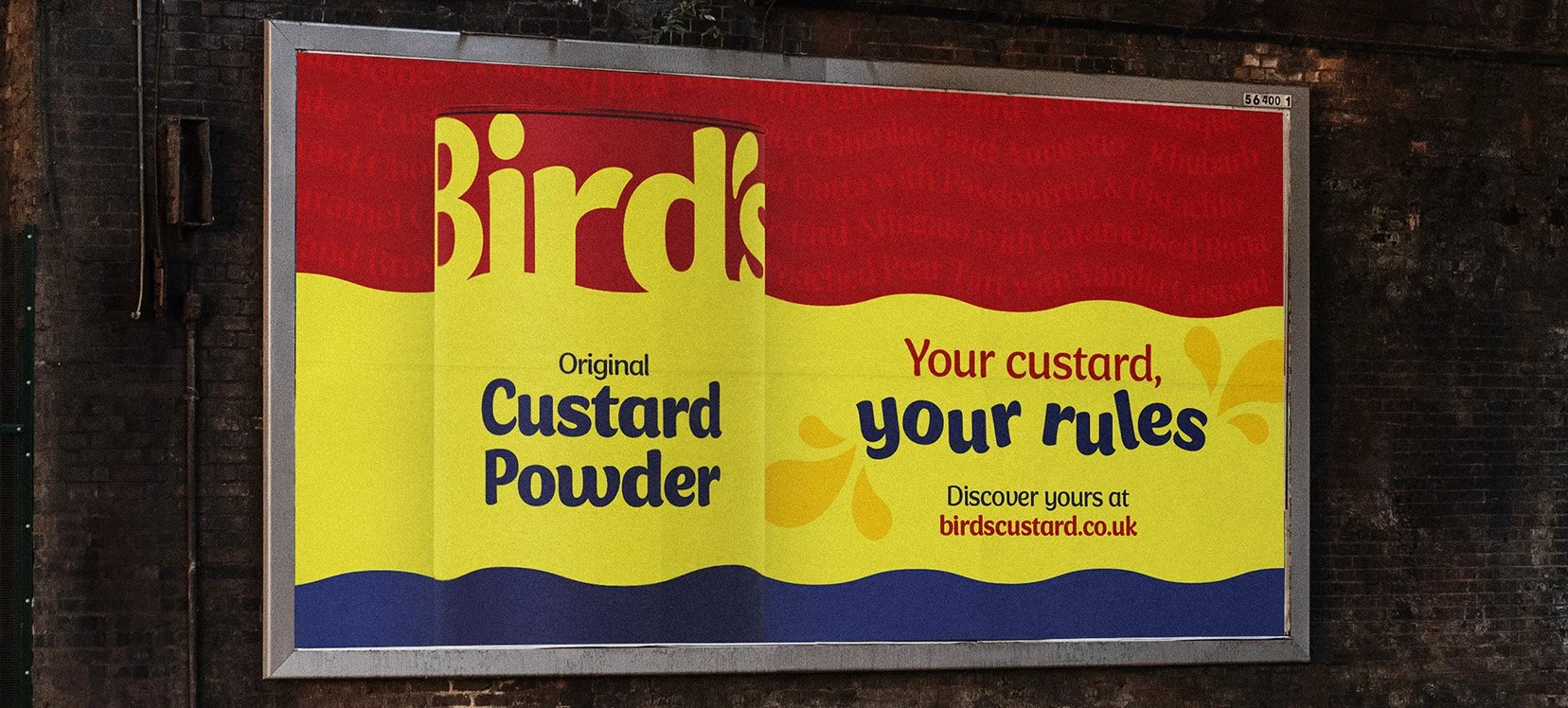
Bird’s Custard has been in British kitchens since 1837. Few food brands carry that level of emotional recognition. The yellow tin alone probably unlocks half the country’s childhood memories.
But that heritage also creates a challenge.
If Bird’s is known primarily as a once-a-year trifle ingredient or a school dinner staple, how do you give it a new role on the menu?
The answer wasn’t to abandon the nostalgia. It was to rethink the role Bird’s could play in modern food culture.
What came out of it?
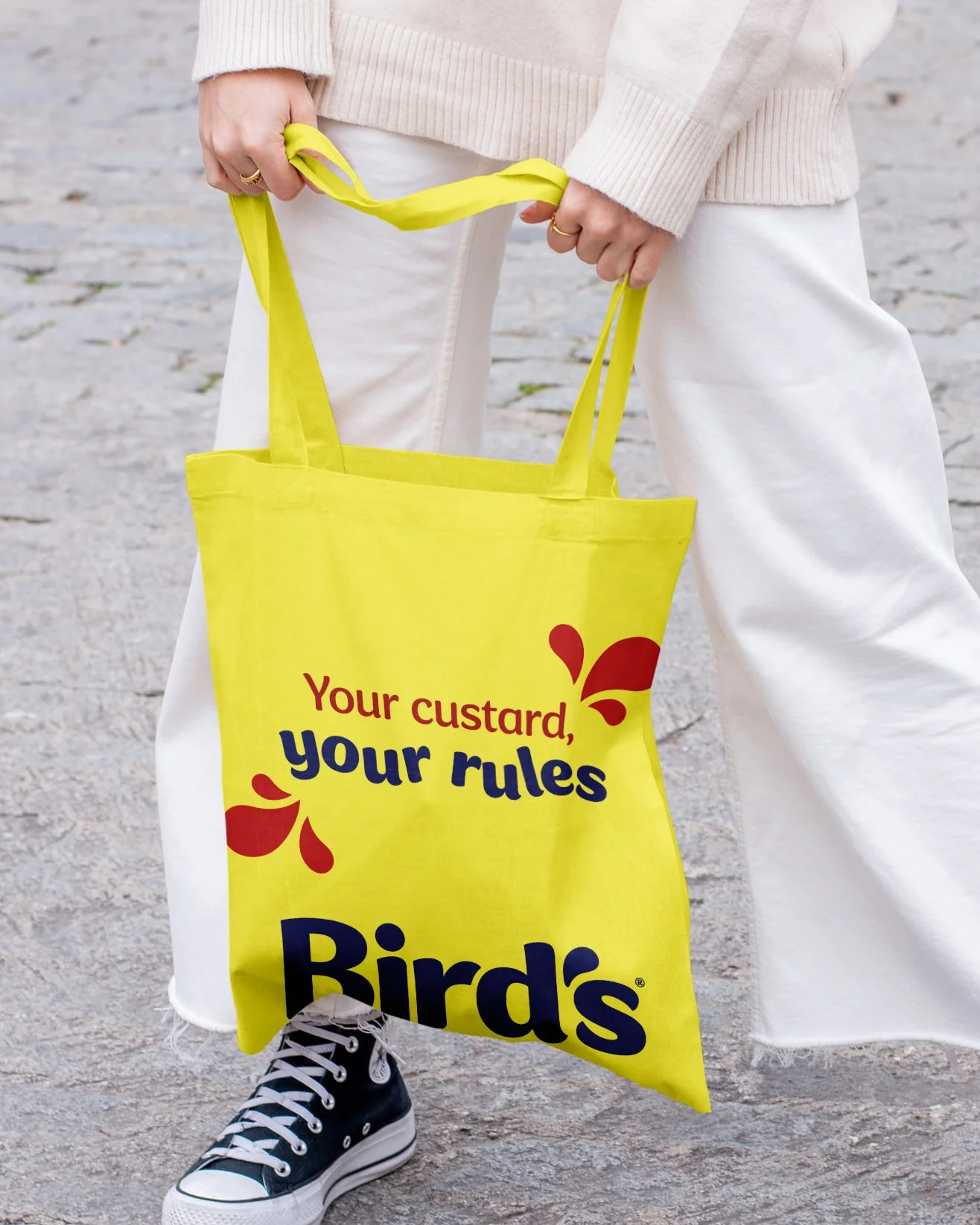
Made by Bird's, created by you.
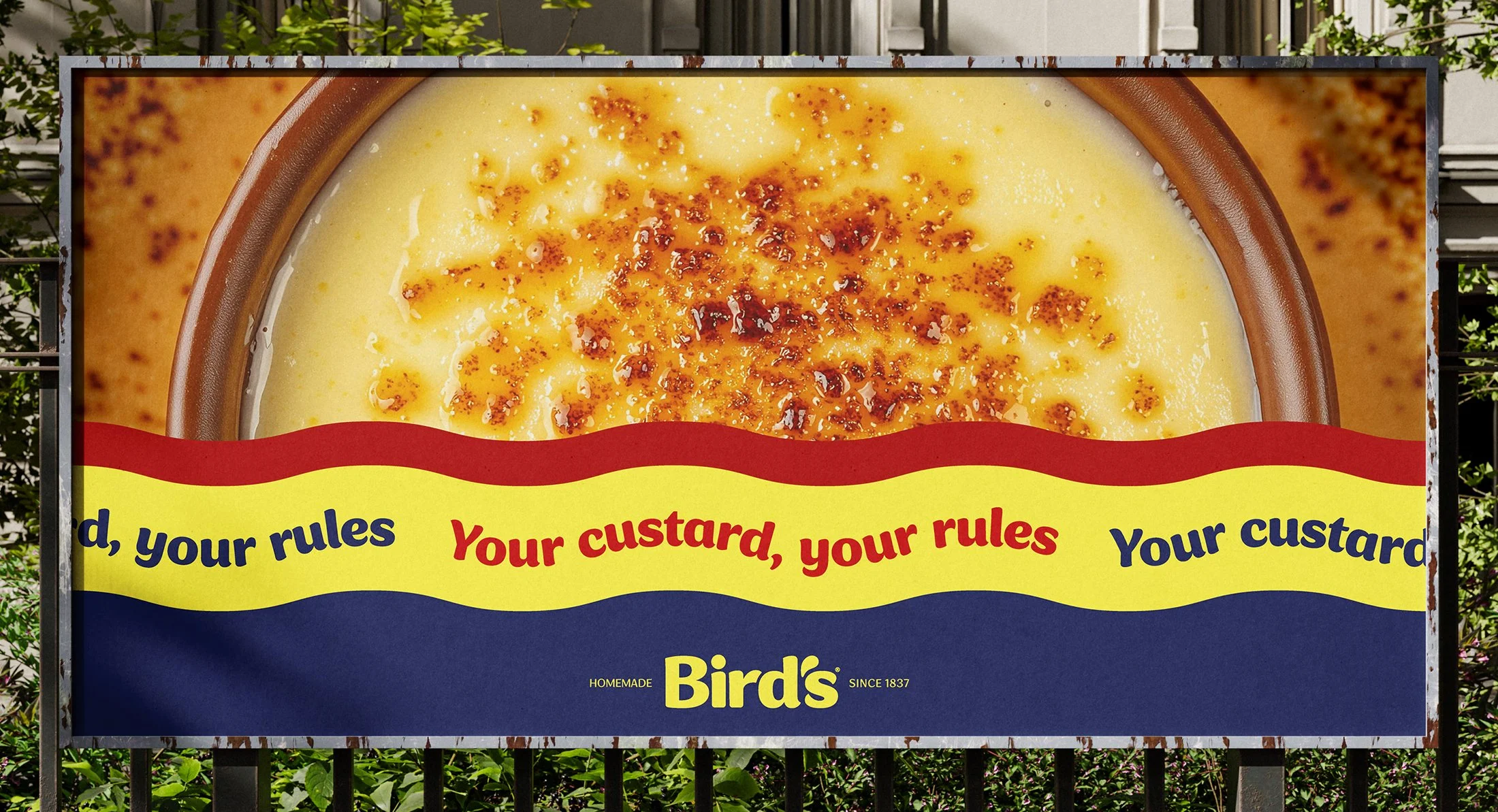
A subtle shift, but an important one: repositioning custard as an ingredient brand rather than an afterthought. Your custard, your rules.
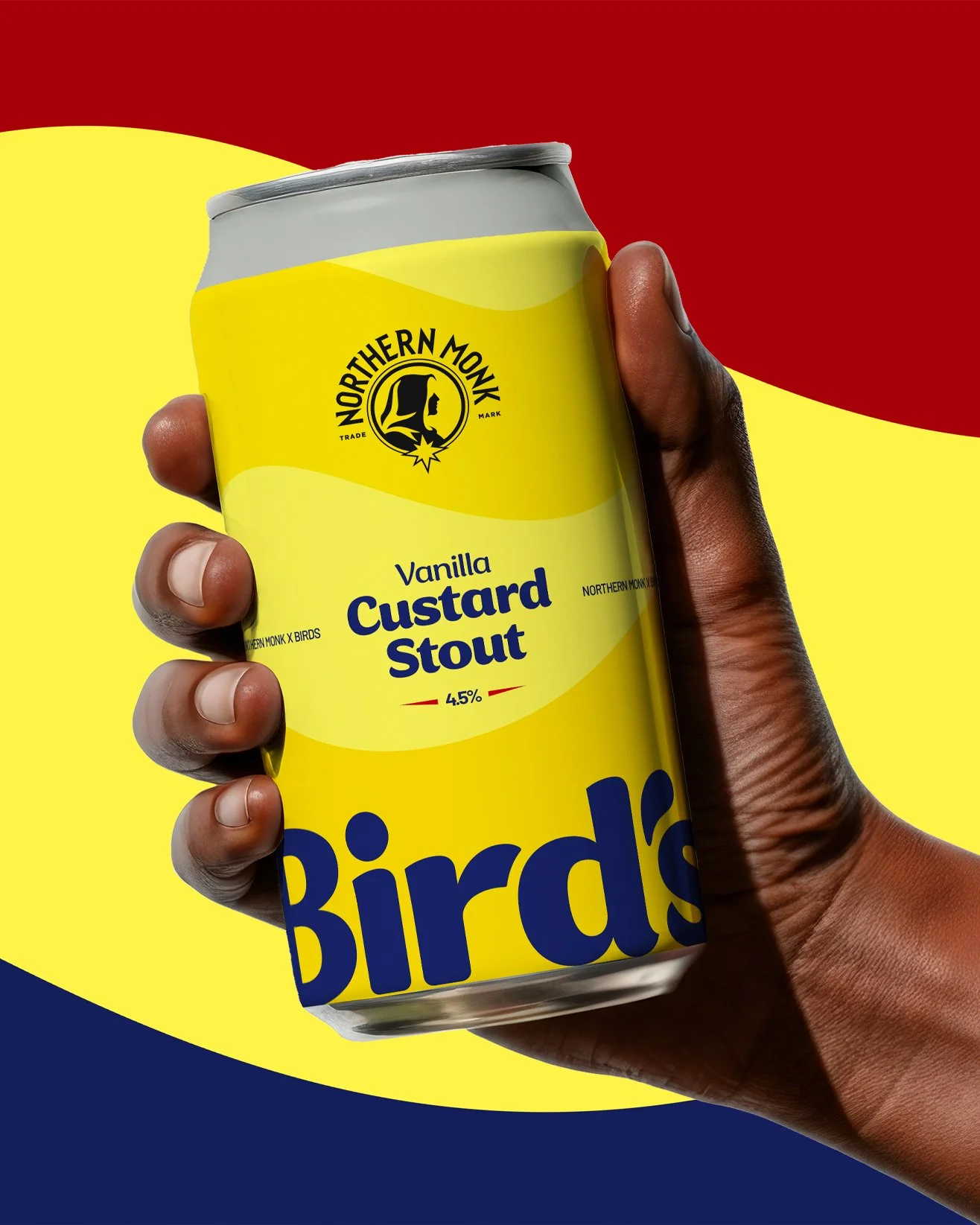
Part of the thinking explored how far the Bird's brand could stretch. Food partnerships that push custard into unexpected territory, like a custard stout with Northern Monk. Lifestyle collaborations like a custard-scented Jo Malone candle. The kind of creative territory that turns a kitchen staple into something people actually want to talk about.
Not because every idea needs to become reality, but because culturally relevant brands can stretch and explore beyond their original category.
Quite the custard revolution.
The heritage brands getting it right
1. Heinz: late to the party, first to laugh
Heinz is a brand that’s constantly repositioning familiarity through culture.
They're acutely aware of what people know them for, and have the confidence to play with it.
Their pasta sauce launch didn't try to reinvent the wheel. They just made a late-to-the-party joke, leaning into the fact everyone associates them with beans and ketchup. "Ridiculously late. Ridiculously good." They were in on the joke.
2. Guinness: same pint, different crowd
Guinness has taken a different approach but landed in a similar place.
The product hasn’t fundamentally changed, but the audience and culture around it has.
A younger audience rediscovering Guinness on their own terms has made the brand feel current again.
They’re now selling ritual, not just stout. It still feels iconic, but refreshed. Hospitality has played a huge role in that shift too, from the cult status of Guinness pours at The Devonshire to immersive brand experiences like Guinness at Old Brewer's Yard in Covent Garden.
3. Panzer’s: authentically then, authentically now
Take Panzer’s.
A legacy deli known for its smoked salmon, cream cheese and old-school staples. But at the same time, one of the most culturally current food spaces in London.
You’ll find loyal long-time customers alongside younger audiences shopping for trendy pantry ingredients and premium produce.
It works because the heritage feels authentic rather than performative.
It doesn’t try to erase its history. It just understands how to package it for a modern audience.
4. Bold Bean Co.: all the cool, none of the history. Yet...
This challenge doesn’t just apply to heritage brands trying to feel modern. It works in reverse too.
Bold Bean Co. are about as culturally current as food branding gets. On-the-pulse, trend-aware and deeply tapped into contemporary food culture, they’re the kind of brand that will never miss a beat.
But heritage is the one thing you can’t manufacture overnight.
So when Bold Bean Co. launched baked beans and stepped into a category loaded with emotional expectation and decades of consumer habit, the same challenges applied.
Heritage can't be rushed. But Bold Bean Co. might be the closest thing to a shortcut we've seen.
The new rules of nostalgia
Modern nostalgia marketing is no longer just about reassurance, tradition or sentimentality alone, it’s about all the above. Maintaining your roots while evolving into something recognisable, but still culturally awake.
This is especially true in food and drink today, where trends move quickly, expectations shift constantly and loyalty has to be earned again and again.
That means asking harder questions:
● Are we selling memory or creating new rituals?
● Does our nostalgia invite participation or simply recognition?
● Are we staying true to the brand, or just staying safe?
Because while challenger brands are still trying to manufacture authenticity, heritage brands already possess something they can't match: emotional equity built over decades.
So, what does this mean for heritage brands?
Heritage should be the foundation, not the full story
The brands getting nostalgia marketing right are using heritage as a foundation to build something culturally relevant today.
Relevance matters
It’s as old as time, but all PR is good PR. Whether that’s through collaborations, premiumisation or experience-led hospitality, the strongest brands understand that you must stay part of the conversation.
You can’t manufacture heritage overnight
While challenger brands are busy trying to build emotional familiarity, heritage brands already possess something genuinely unrivalled: decades of recognition, trust and cultural equity.
The opportunity now is knowing how to turn that nostalgia into momentum.
Looking for fresh ways to keep your brand culturally relevant without losing what made people love it in the first place?
Drop us a line at hello@cracked.agency.
