
Forget the trend: GLP-1 is a fundamental shift

GLP-1 is no longer a fringe wellness conversation. It’s becoming one of the biggest behavioural shifts in the food and drink industry to date.
And for good reason.
Nearly 12% of Americans have already used a GLP-1 weight loss drug.¹ In the UK, 1.6 million adults used weight loss medication between 2024 and 2025.² And another 3.3 million say they’d consider using it in the next year.² And with the once-daily Wegovy pill now available to buy privately from UK pharmacies — no injection required — that number is only likely to grow.
In the hospitality space, we’re left wondering: what does this shift mean for changing expectations around food?
And how is it starting to influence how people order, snack and socialise?

The behavioural shift is already underway
One of the biggest misconceptions around GLP-1 is that it only affects portion size.
In reality, the behavioural changes go much deeper.
Many of those using a GLP-1 weight loss drug regularly report smaller appetites, changed cravings and a preference for eating little and often. There’s growing conversation around protein intake, fibre and nutrient density as consumers rethink what satisfying food looks like. Some users are even microdosing medication for a more sustained appetite response throughout the day.
This all points to a wider shift in how people think about eating.
GLP-1 seems to have sparked a broader movement towards active moderation, low and no alcohol, and more intentional choices around consumption.
This all has a big knock-on effect for hospitality and foodservice. Traditional menu strategies have often been built around abundance; bigger portions, meal deals and added extras.
So if consumers are eating less, does that mean they’re ordering less too? And if portions shrink, what happens to margin?
Smaller portions alone won’t solve it.
Consumers are still looking for satisfying, enjoyable meals worth paying for. Which presents a major opportunity for hospitality and foodservice brands and operators.
The commercial opportunity behind the shift
Simply shrinking the plate isn’t going to cut it. Consumers aren’t just asking for less food, they’re asking for better choices, smarter menus and meals that still feel worth ordering.
And that’s where things get interesting for hospitality brands and operators.
If anything, expectations around quality have become even higher when people are eating less.
Winning brands are rethinking their menus entirely. Rather than focusing on sheer volume, they’re prioritising nutrient density, flexibility and satisfaction.
In the US, where GLP-1 adoption is further ahead, operators are already experimenting with new formats.
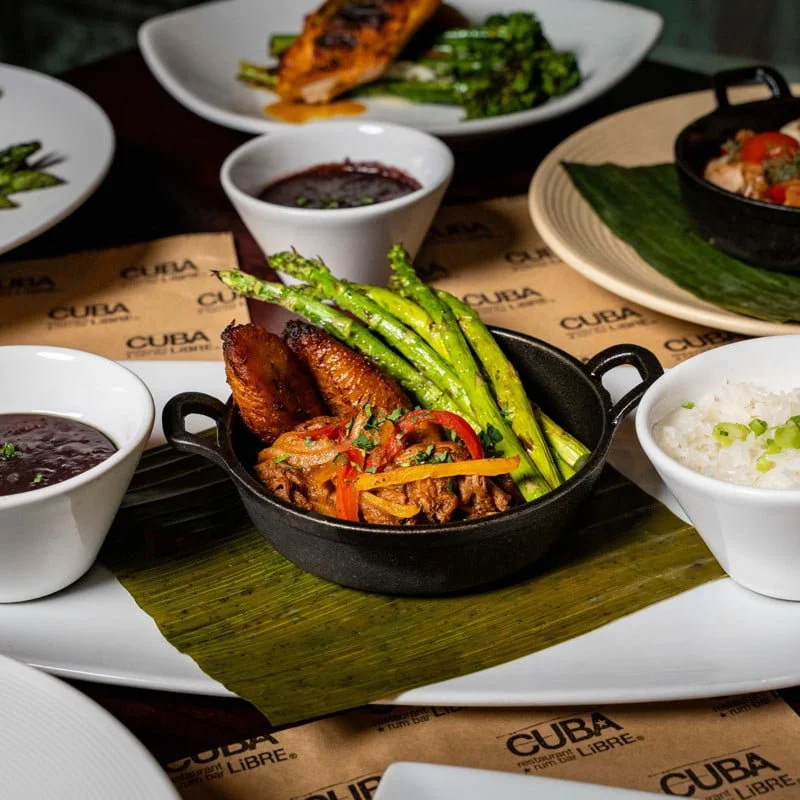
Cuba Libre opts for smaller plates with zero shortcuts
Cuba Libre launched its GLP-Wonderful menu featuring smaller, high-protein versions of their signature dishes like Pollo Asado or Vaca Frita.
Shake Shack goes mindful (without the misery)
Shake Shack introduced its Good Fit menu, reworking classics around more mindful eating habits, such as the Double Veggie Shack Lettuce Wrap which features two veg and fibre-packed patties.
Clinton Hall shrinks the menu, not the experience
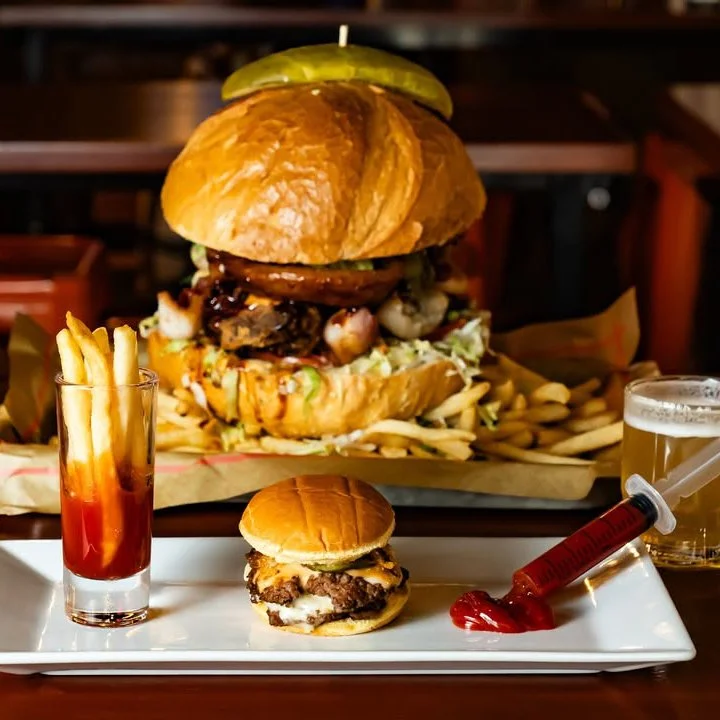
Clinton Hall built its reputation on a 20-ounce burger challenge. It now also serves the Teeny-Weeny Mini Meal: a fist-sized burger, five to seven fries in a shot glass and ketchup served in a syringe. Gimmick or genius? Probably both, but it shows how far the conversation has moved when a venue synonymous with excess is catering to the other end of the appetite spectrum.
What’s interesting is that none of these brands are positioning smaller portions as a compromise. They’re repositioning them as more intentional, more premium and better suited to modern eating habits.
For foodservice operators, that changes the conversation entirely.
Rather than simply cutting portions and profits, there’s an opportunity to reinvent menus around how people want to eat now, protect margins through smarter menu engineering and create dining experiences that feel both commercially sustainable and worth coming back for.
So, what does this mean for foodservice brands?
1. Rethink what value means
For years, value in hospitality has often meant “more”. Bigger portions, bundled offers and supersized formats.
But increasingly, value is shifting towards quality, nutrition, convenience and satisfaction. The brands that understand this early will be best placed to evolve alongside changing consumer expectations.
2. Work with what you've already got
Smaller plates, sides and snack formats might already be on your menu. It's worth making sure those categories are working as hard as they can. The US market is also worth watching: brands like Cuba Libre and Shake Shack aren't launching entirely new menus, they're creating reduced-size versions of their most popular dishes. The opportunity is often already there, it just needs reframing rather than a full overhaul.
3. Keep it foodie
Consumers still want enjoyment. Nobody wants to feel like they’re ordering from a clinical menu.
The strongest hospitality responses weave health cues subtly into the experience through ingredient choices, menu descriptions and balanced options, without losing what makes food worth eating.
4. Keep listening
Nobody’s expecting hospitality to transform overnight. People will always want meals that feel indulgent, memorable and worth leaving the house for.
But eating habits are shifting, and consumers are becoming more intentional, which gives hospitality brands plenty to think about.
The operators that respond best probably won’t be the ones chasing the latest wellness buzzword. They’ll be the ones paying attention to the behaviours behind it and adapting in ways that still feel natural and enjoyable.
Looking to understand what changing consumer habits mean for your brand?
We help food and drink brands and foodservice operators make sense of what's shifting — and do something brilliant with it.
Drop us a line at hello@cracked.agency.
References
1 Source: RAND, 2025
2 UCL research, BMC Medicine
