
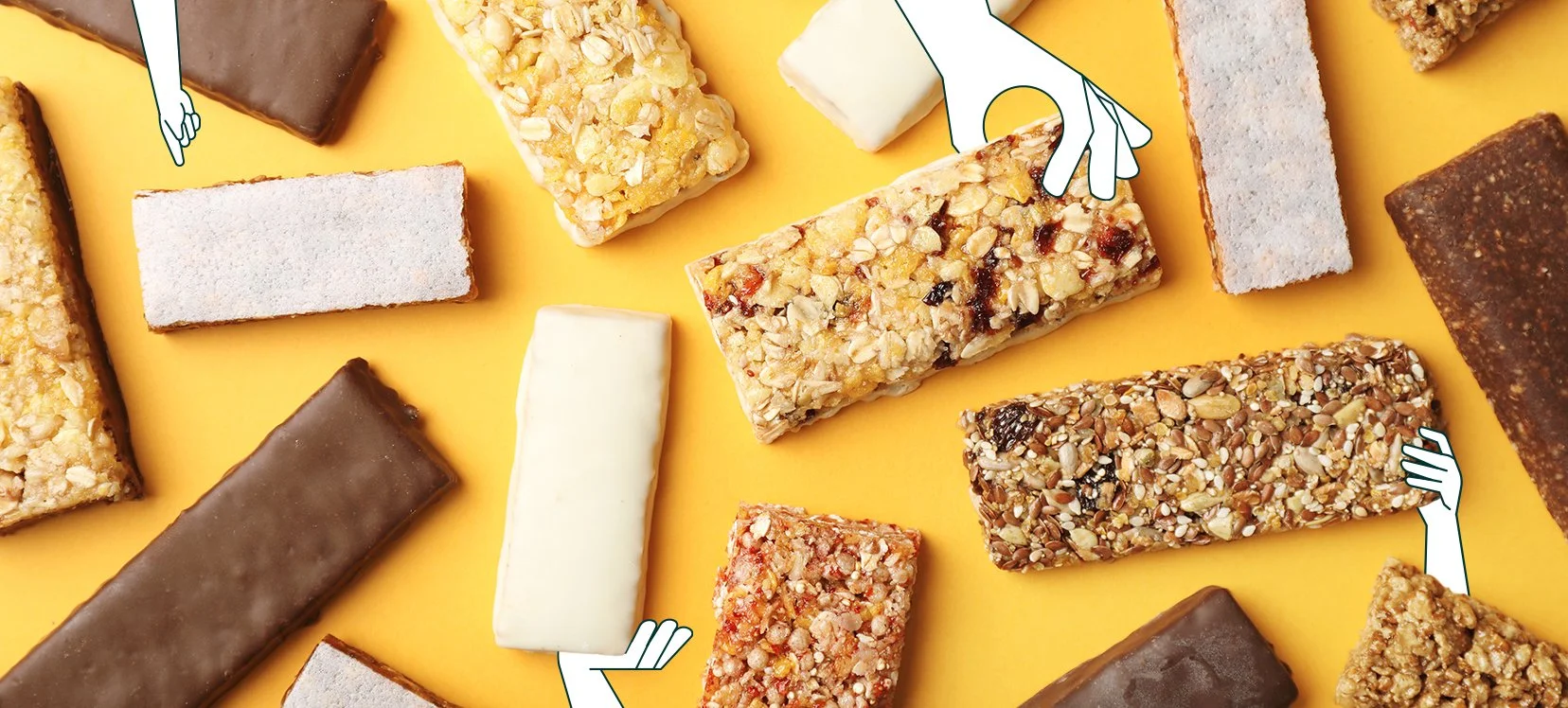
Snackification has already changed how people eat. Now it's changing what they buy, and when.
Snacks now make up 28% of UK eating occasions, more than breakfast.¹⁴ Food-to-go is forecast to keep growing faster than the wider eating-out market.¹⁵ And while fewer people are eating out, the ones who do are going more often.¹ They want food that fits around the rest of their day.
Grabbing something between meals is nothing new, and most of the industry knows the snackification story well. What's new is how far it now reaches. It shapes breakfast, lunch, the evening and the weekly shop, in cafés, pubs and convenience stores as much as supermarkets.
GLP-1 is adding to the shift. More than one in 20 UK adults now use the medication, nearly double the figure nine months earlier.¹⁶ For them, smaller portions are a need as much as a preference.
We touched on this in the latest issue of The Crumb. This piece picks up where it left off. If this is how people eat now, where are the next opportunities?
We think the answer is little and often too. And a little can go a long way.
What's changed?
Eating out is getting smaller and more frequent. People want quicker, more routine occasions, and they keep coming back for them.
That's been the pattern for two quarters running.¹ At the start of the year, snacks led the way, growing to more than one in 10 eating-out occasions while lunch, dinner and drinks-only visits all fell. In spring, breakfast, brunch and lunch picked up instead. Through it all, four in five consumers still put quality first, with value close behind.¹
The dayparts are different, but the direction is the same. People haven't fallen out of love with eating out. They're just more careful about how they do it.
And when they do go out, they expect more. Rising costs have pushed eight in 10 hospitality businesses to raise prices.¹⁹ Eating-out prices are now climbing faster than inflation overall.²⁰ That raises the bar. A third of consumers say they expect more of venues than they did a year ago.²¹ Value now means quality, provenance and taste as much as price.¹ Premium bakery is a good example. GAIL's grew its bakery sales by more than a fifth in a year and opened 36 new sites.²²
The same thing is happening at home. More than half of UK adults say breakfast, lunch and dinner is becoming less relevant to their routines. 67% say their eating habits are more flexible than they used to be, and 66% of Gen Z prefer to graze on smaller meals through the day.²
Breakfast, lunch and dinner aren't going anywhere. They're just sharing the day with a lot more in between.
The takeaway
Operators and retailers: build deals around choice, not just price.
Brands: be the snack, side or drink that completes the combination.
Where are the next opportunities?
Meal deals are going mix and match
Price brought people to the meal deal. Flexibility and choice will keep them coming back.
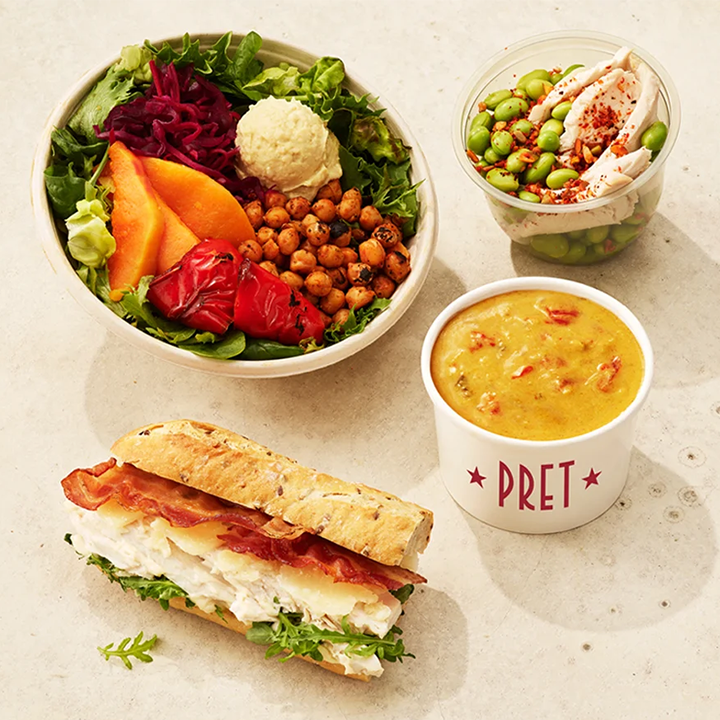
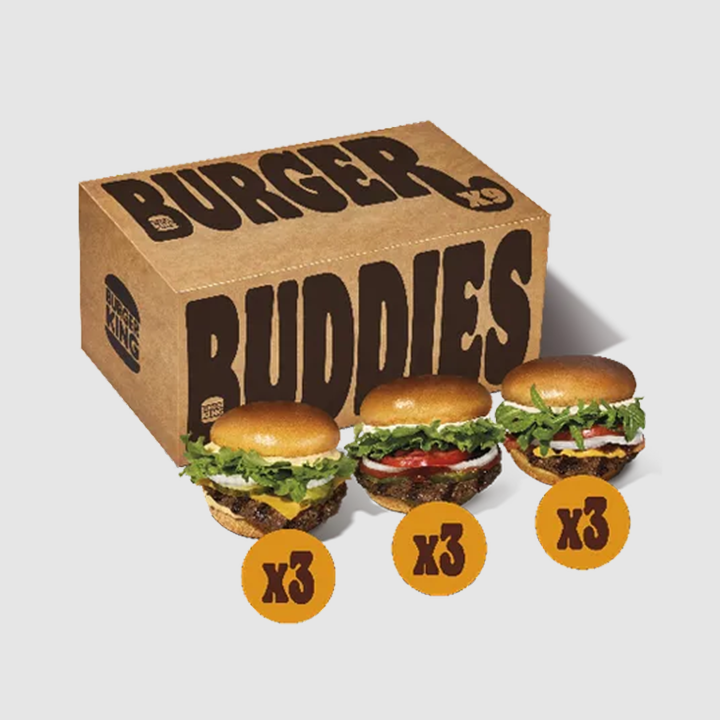
Pret's £4.99 Pick your Pair lets customers choose any two items from a range of half sandwiches, soups, salads and protein pots. It went nationwide after a successful summer trial.³ Small bites have already helped Burger King's recent performance.¹ It has since launched Burger Buddies, mini versions of the Whopper and other classics, sold in boxes of three or nine, so customers can try a few instead of committing to one.⁴ And in convenience stores, food-to-go has become one of the main reasons people pop in.⁵
Why commit to a full lunch when half a baguette and a soup will do? Someone eating little and often wants to build an occasion that fits the moment and the budget, with room to mix things up along the way. Small choices also take the pressure off picking one perfect lunch. Deals will keep getting smaller and more flexible. The choice is getting healthier too. Tesco's meal deal includes a gut health kefir, and Co-op's includes protein bars.¹⁷,¹⁸
The takeaway
Operators and retailers: build deals around choice, not just price.
Brands: be the snack, side or drink that completes the combination.
The evening is getting lighter
Traditional dinner out is losing ground. The evening as a whole is where the next opportunity sits.
Dinner and drinks-only visits have fallen in both quarters.¹ But the evening itself is busier than ever for some. Greggs, for example, now sees evening as its fastest-growing part of the day.⁶ Pret halves the price of its food in the last hour of trading at participating shops, and pitches it as an early evening meal or snack.³ In pubs, more than half of visitors usually order a hot snack, and one in five almost always do.⁷ Dessert-led brands are arriving too. Yo-Chi and MYKA both opened their first UK sites in London in recent months, and Yo-Chi drew queues of up to five hours on opening day.²³,²⁴
At home, the evening matters just as much. Nearly a third of savoury snack sales happen between 5pm and 9pm.⁸ McCain launched Vibes with snacking in mind: a ridge-cut potato snack somewhere between chips and crisps that's ready in minutes.⁹
People still want something in the evening, just not a full dinner. The opportunity is something lighter that still feels worth having.
The takeaway
Operators: create an evening offer for a lighter appetite and a shorter visit.
Retailers: give the 5pm to 9pm window the attention lunch already gets.
Brands: design products with the evening in mind, at home and out.
Snacks are going where people go
The best ideas start with where people are eating, then work back from there.
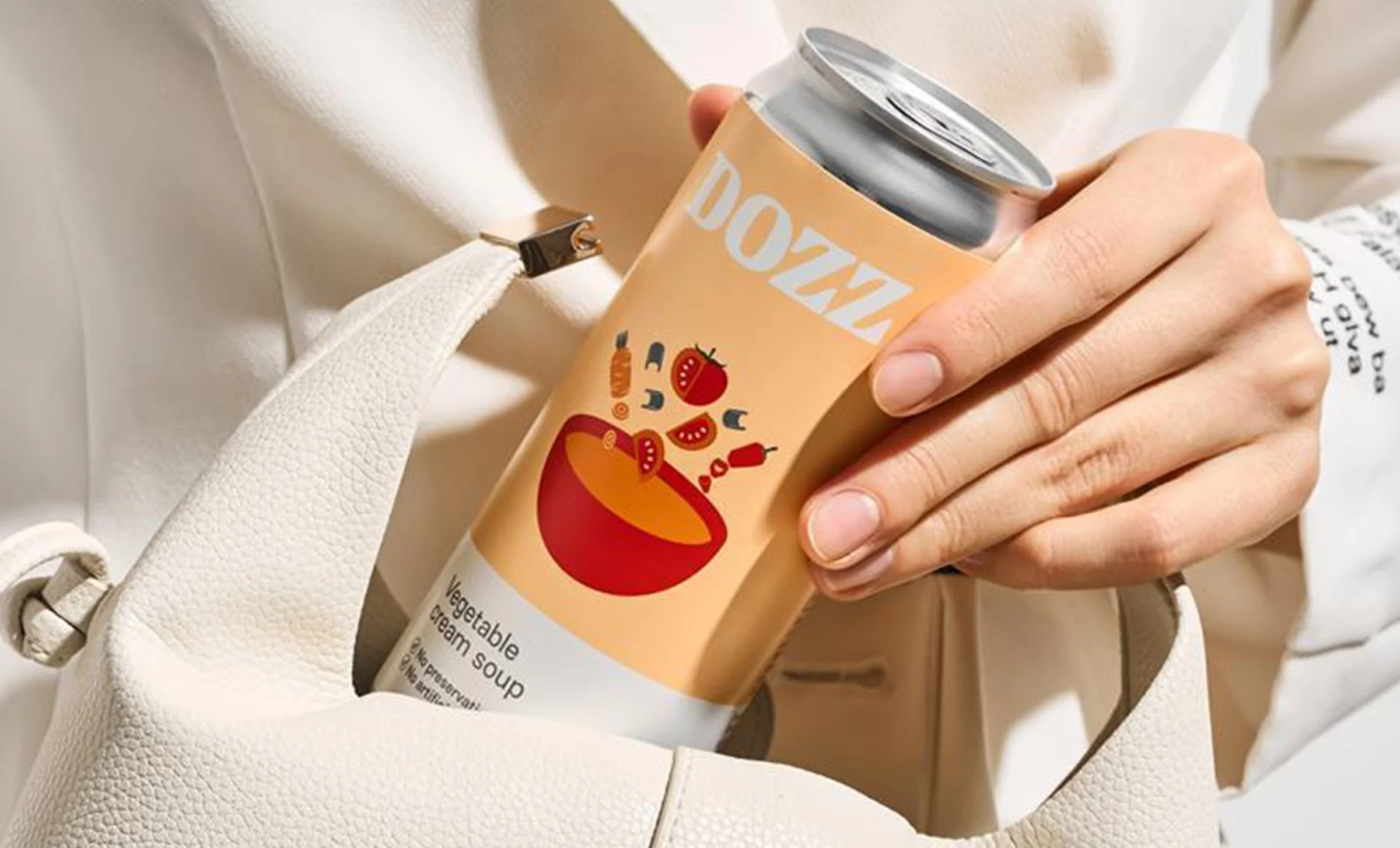
Almost two-thirds of eating-out trips are now about convenience.¹ People want food where they already are, and that includes work, where contract catering sales are up 10.5% on the same period last year.¹⁰ Some brands are designing for this from the start, and DOZZ is one of them. Founder Ender Bolat noticed that some petrol stations and small convenience stores had nowhere to put a ready-to-eat meal. Drinks and snacks had the space to themselves, because cans and bottles were the only formats that worked.¹¹
So he put soup in a can.
It took gold at Lunch!, the UK's food-to-go trade show, with a judging panel that included Starbucks, Costa, Subway, Waitrose and GAIL's.¹² Müller Corner's Grab Pots follow the same thinking, made for lunchboxes and a mid-afternoon lift.¹³
Whether that's at a desk, on the commute or at a petrol station, the format has to meet people there. And once it does, it's expected to work harder. Interest is growing in snacks that keep hunger at bay, help manage blood sugar and offer more rounded nutrition.²⁵ At Ocado, sales of functional drinks like kefir, kombucha and matcha have jumped by more than half in a year.²⁶
The takeaway
Operators: explore vending to offer food 24/7 without adding labour.
Retailers: make room for meal formats in spaces built for drinks and snacks.
Brands: design for where a product will be eaten, and what it does for people, as much as where it’s sold.
The questions worth asking
Are we built for the big occasion, or the everyday one?
Is our evening offer made for a lighter appetite, or just a smaller budget?
Does this product work wherever people are, or only where we sell it now?
Get those answers right, and little and often starts to pay off.
So, what does this mean for operators, retailers and brands?
The regular matters more than ever. With fewer people eating out, growth comes from the people who come back. The daily coffee, the Tuesday meal deal, the snack on the way home.
Cheaper isn't enough on its own. Prices are rising, and so are expectations. The everyday occasion has to feel worth repeating, whether it's a coffee, a pastry or a meal deal.
Everyone is serving the same customer. The person grabbing something on the way to work is the same one picking up something for the evening. Operators, retailers and brands all have a part to play in their day.
The big occasion still matters. But the biggest opportunities are now the smallest ones.
Want to explore what little and often could look like in practice?
Drop us a line at hello@cracked.agency.
References
[1] Lumina Intelligence – UK Eating Out Market Q1 and Q2 Reports, April and July 2026
[2] Ocado Retail – Functional Snacking and Mealtime Research, July 2026
[3] Pret A Manger – Pick your Pair Lunch Deal Launch, September 2026
[4] GB News – Burger King Mini Burgers Launch, 2026
[5] Asian Trader – UK Crisps and Snacks Retail Opportunity, September 2025
[6] Greggs plc – Preliminary Results 2025, March 2026
[7] CGA by NIQ – Hot Snacking in Pubs, July 2025
[8] Grocery Trader – Crisps, Snacks and Nuts Category Report, July 2026
[9] The Grocer – McCain Vibes Launch, January 2025
[10] Public Sector Catering – Contract Catering Growth, May 2026
[11] AdHugger – Interview with DOZZ Founder Ender Bolat, December 2025
[12] lunch! – Innovation Challenge Results, September 2025
[13] Tesco – Müller Corner Grab Pot Product Listing, 2026
[14] Kantar – Context is King: The Data-Driven Reality of Global Consumption, February 2026
[15] Lumina Intelligence – UK Food-to-Go Market Size, Growth and Share Statistics, April 2026
[16] IGD – GLP-1 Usage Almost Doubles in Nine Months, April 2026
[17] Tesco – Meal Deal Drinks Range, October 2026
[18] Co-op – Health and Protein Range, October 2026
[19] UKHospitality – Hospitality Price Rises Following April Cost Increases, August 2025
[20] Office for National Statistics – Consumer Price Inflation, UK: August 2026, September 2026
[21] CGA by NIQ and Reputation – UK Consumer Habits in Hospitality Study, October 2025
[22] GAIL's – Annual Accounts, December 2025
[23] Hospitality & Catering News – Yo-Chi Opens First UK Site, August 2026
[24] Restaurant – MYKA Launches in the UK, July 2026
[25] Mintel – UK Consumer Snacking, September 2026
[26] Ocado Retail – Functional Drinks Boom as Gen Z Swaps Out Coffee and Alcohol, June 2025
